How Often Should You Really Change Your Oil in 2026?
(Modern Engines vs. Old Rules: Stop wasting money, but don't ignore the warnings).
Owa Samuel | FixDRide
May 18, 2026

If you grew up around cars, you probably have a number permanently burned into your brain: 3,000 miles. For decades, the golden rule of auto maintenance was to march into a quick-lube shop every 3,000 miles to drain the oil, no questions asked.
But here is the truth for 2026: If you are still changing your oil every 3,000 miles, you are likely throwing away perfectly good money—and perfectly good oil.
Automotive engineering has evolved massively, and so have the lubricants protecting your engine. Here is the modern breakdown of when you actually need an oil change, separating the profitable myths from mechanical reality.
The 3,000-Mile Myth
The 3,000-mile rule was created in an era of carbureted engines, heavy cast-iron blocks, and conventional oil that degraded rapidly under heat. Today's modern engines are built to incredibly tight tolerances. Fuel injection systems are more precise, meaning less unburned fuel washes into the oil pan to dilute it. For most modern vehicles driving under normal conditions, the manufacturer-recommended interval is closer to 7,500 or even 10,000 miles.
The Synthetic Revolution
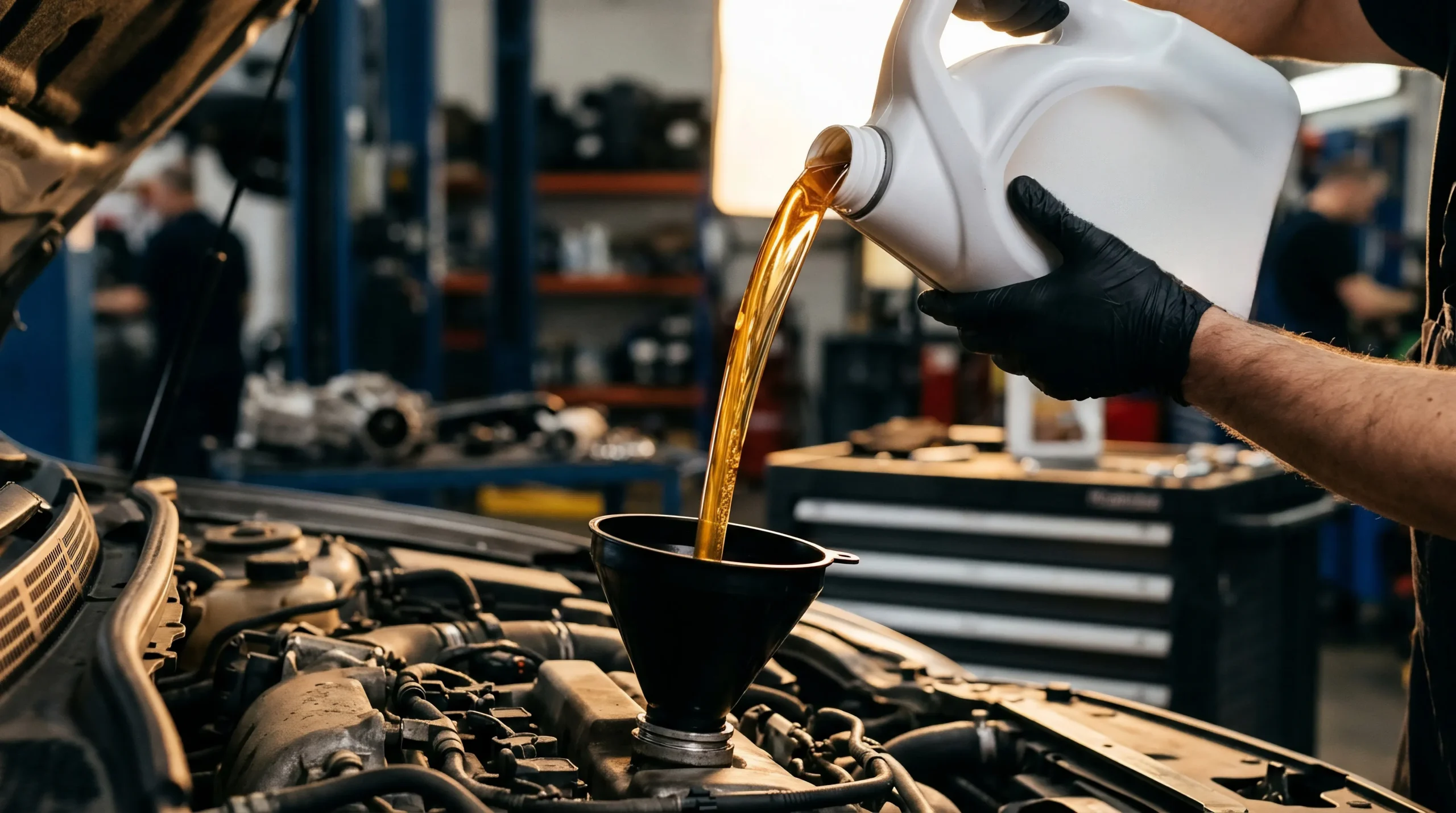
The biggest game-changer is Full Synthetic oil. Unlike conventional oil pulled from the ground, synthetic oil is engineered in a lab. Its molecules are uniform in size, meaning it resists thermal breakdown at high temperatures and flows significantly better in sub-zero freezing weather. If your car requires full synthetic (and most cars built after 2015 do), it simply lasts longer.
Your Driving Habits Matter More Than Mileage
This is the catch. The 10,000-mile interval assumes "normal" driving conditions. But if you read your owner's manual, you might discover you actually fall into the "Severe" category. Severe driving includes frequent short trips under 5 miles (the oil never gets hot enough to burn off moisture), heavy stop-and-go city traffic, towing, or driving in extreme temperatures—like a blistering Texas summer or a brutal Toronto winter. If this is you, a 5,000-mile interval is much safer.
Trust the Car's Computer (Usually)
Most modern vehicles have an Oil Life Monitoring System (OLMS). Instead of a dumb mileage counter, these systems actually track your engine idle time, temperatures, cold starts, and RPMs to calculate exactly when your oil is degrading. When the dashboard says "10% Oil Life Remaining," believe it.
The Dipstick Reality Check
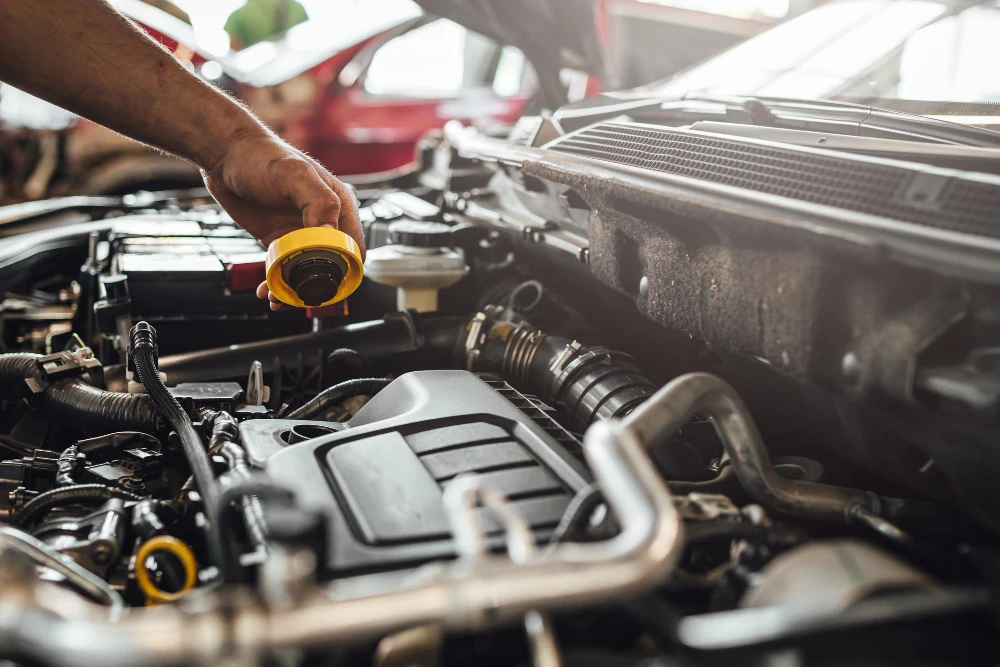
Don't wait for a dashboard light. Check your oil manually once a month:
- Color isn't everything: Dark oil does not automatically mean it's bad. Oil is designed to capture soot and suspend it.
- Watch the level: Modern engines (especially turbocharged ones) naturally consume a little oil over 10,000 miles. If it's low, you need to top it off.
- Texture matters: If the oil feels gritty, or looks milky/frothy (a sign of coolant mixing), you need a mechanic immediately.
Skip the Waiting Room.
Changing your oil regularly is the cheapest engine insurance you can buy. Don't waste your Saturday at a lube shop—open the FixDRide app, request a verified Fixa, and get premium synthetic oil swapped right in your driveway.